Sneakers vs. Walking Shoes vs. Running Shoes: What’s Actually the Difference?
A Plain-English Guide to New Balance’s Lineup, and How to Choose What’s Right for You
Walk into any shoe store and the sheer number of options can be overwhelming. Sneakers, walking shoes, stability runners, neutral trainers, max-cushion shoes — the categories multiply fast, and the differences between them aren’t always obvious from the outside. New Balance in particular has built one of the most thoughtfully differentiated lineups in footwear, with specific models engineered for specific purposes. Understanding what those purposes are makes the choice a lot simpler.
Here’s a plain-English breakdown of what separates sneakers, walking shoes, and running shoes — and how six of New Balance’s most popular models fit into that picture.
The Big Picture:
Why Category Matters

It might seem like any athletic shoe is interchangeable — a shoe is a shoe, after all. But the biomechanics of walking, running, and casual wear are genuinely different, and shoes are engineered to support those differences.
- Walking is a heel-to-toe rolling motion with one foot always in contact with the ground. It produces lower impact forces than running and benefits from firm support, a rocker-shaped sole geometry, and good motion control.
- Running involves a flight phase — both feet off the ground — which means impact forces can be two to three times body weight. Running shoes prioritize cushioning, energy return, and (in some models) gait correction.
- Casual wear involves varied, low-intensity movement across different surfaces. Lifestyle sneakers prioritize comfort over the course of a day, versatility of use, and — let’s be honest — style.
Using a shoe outside its intended purpose doesn’t always cause problems, but it often means you’re getting less than the shoe can offer — and sometimes more discomfort than you should have.
Lifestyle Sneakers:
New Balance 327 and 574
Lifestyle sneakers are built for everyday wear — errands, casual outings, light activity, and looking good doing it. They’re not designed for athletic performance, but the best of them offer genuine all-day comfort, and New Balance has two of the most enduring examples in the sneaker world.
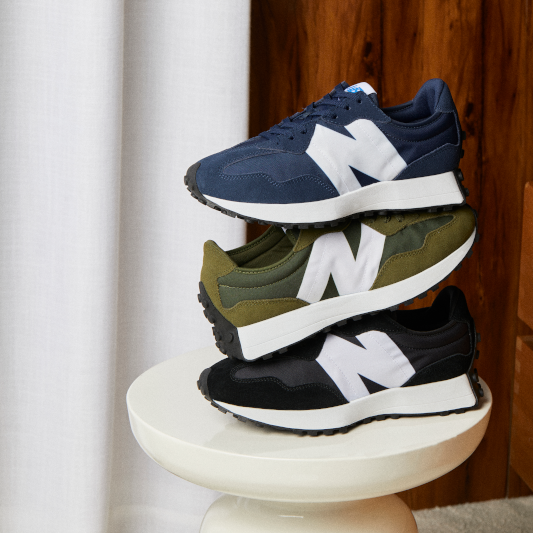
New Balance 327 — Retro Style, Everyday Comfort
The 327 takes its design cues from New Balance’s 1970s running heritage — the oversized asymmetrical “N” logo, the wedge midsole silhouette, the trail-inspired lug outsole — and packages it in a thoroughly modern, lightweight sneaker. It’s one of New Balance’s most visually distinctive models and has become a genuine style staple.
Functionally, the 327 offers a thick, well-cushioned platform that provides solid shock absorption for casual wear and light walking. The mesh upper keeps things breathable and lightweight. It’s a comfortable everyday shoe that happens to look great — though it runs on the snugger side, so it’s not the first choice for wide feet. For that, the 574 is the better fit.
Best for: Style-conscious everyday wear, casual outings, lighter walking on varied surfaces
Price: Around $90–$110
Find it at Brown’s!
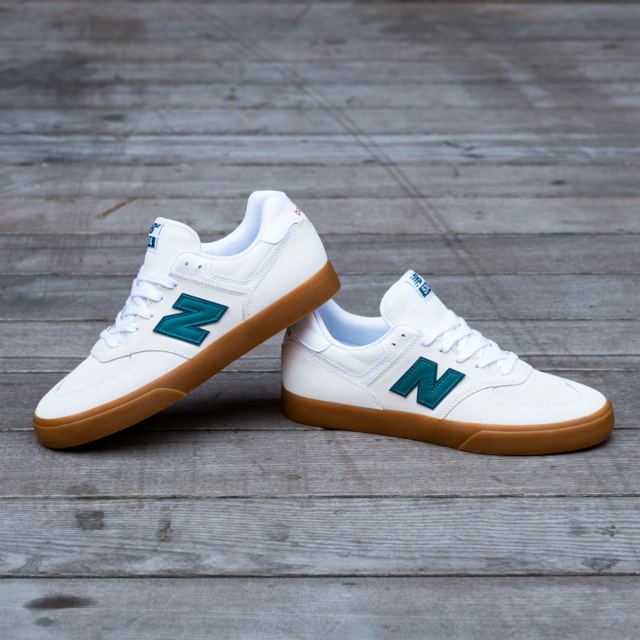
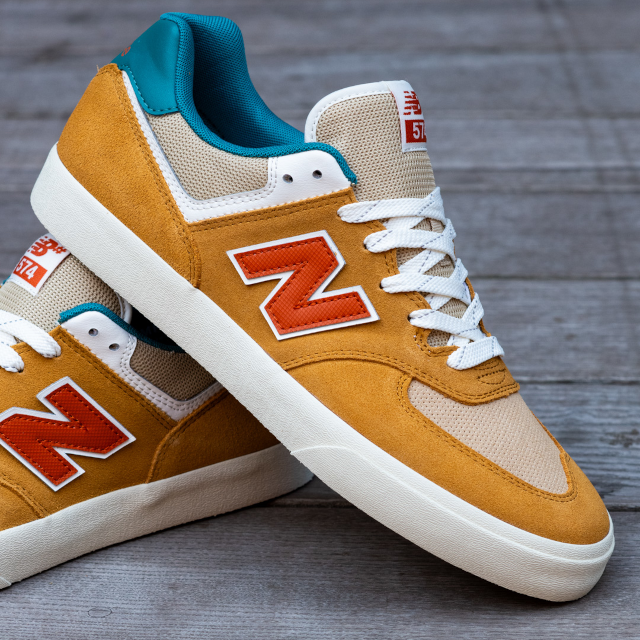
New Balance 574 — The Classic That Never Left
If the 327 is the flashy younger sibling, the 574 is the dependable icon that’s been a wardrobe staple since 1988. Originally designed as a technical running shoe, the 574 long ago crossed over into lifestyle territory and has been there ever since. Its combination of suede and mesh upper, ENCAP midsole technology (a polyurethane rim wrapped around an EVA core), and clean, versatile silhouette make it one of the most recognizable sneakers in history.
The 574 offers more room through the toe box and forefoot than the 327, making it a better fit for wider feet or anyone who prefers a roomier feel. The ENCAP midsole provides reliable, stable cushioning that holds up well over a full day of wear. It’s not a performance shoe — but it never pretended to be.
Best for: All-day casual wear, wider feet, anyone who wants a proven classic with genuine comfort
Price: Around $80–$100
Find it at Brown’s!
The difference between the 327 and the 574 comes down to fit and style preference. The 327 is bolder and slightly snugger; the 574 is more classic and more accommodating. Both are excellent everyday shoes — the right choice depends on your foot and your wardrobe.
Walking Shoes:
New Balance 928
A dedicated walking shoe is a different animal from a lifestyle sneaker, and the distinction matters more than most people realize. A true walking shoe is engineered specifically for the heel-to-toe rolling motion of walking — with a sole geometry, support structure, and cushioning distribution that a lifestyle sneaker simply doesn’t replicate.
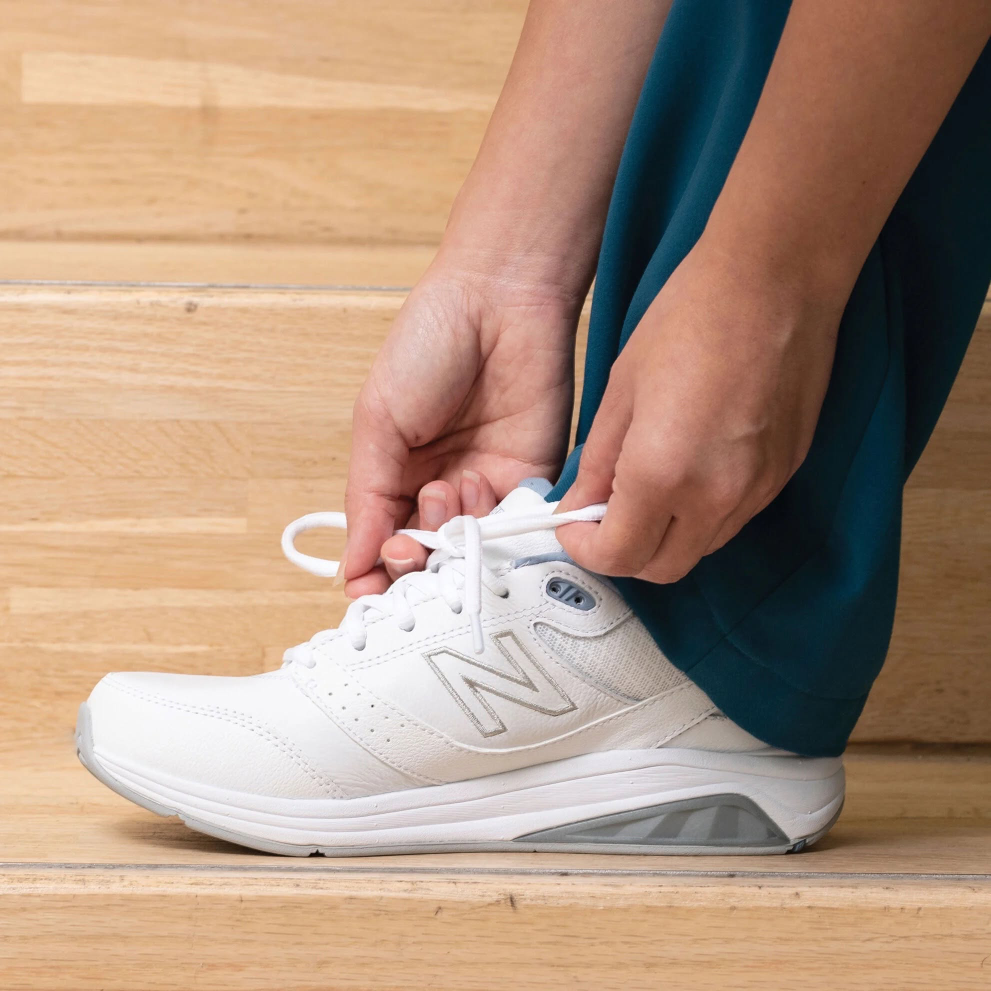
New Balance 928 — The Walking Standard
The 928 is one of the most medically respected walking shoes on the market. It’s built on New Balance’s SL2 last, which features a deeper, wider toe box, a higher instep, and a slightly narrower heel — a geometry that accommodates swelling, high arches, and foot conditions while maintaining a secure, stable fit. It’s available in an exceptional range of widths, from narrow to 6E extra wide, making it accessible to foot types that most shoes simply don’t fit.
The 928’s technology lineup is equally serious: ROLLBAR stability technology controls rear-foot motion and helps prevent overpronation, ABZORB midfoot cushioning absorbs impact at the point where walkers land most heavily, and Walking Strike Path geometry guides the foot through its natural heel-to-toe motion. The seamless Phantom Liner reduces friction and blister risk. Removable polyurethane footbeds accommodate custom or prescription orthotics. The 928 is, in fact, eligible for Medicare reimbursement for qualifying individuals — a reflection of how seriously it’s taken as a therapeutic footwear option.
It isn’t a flashy shoe. It’s a working shoe, built to be on your feet all day without complaint.
Best for: Extended walking, foot conditions, overpronation, wide feet, diabetic-friendly footwear, orthotic use
Price: Around $160
Find it at Brown’s!
Running Shoes:
New Balance 860, 880, and 1080
New Balance’s running lineup is built around Fresh Foam X — the brand’s premium midsole compound, designed to deliver a soft, plush underfoot feel without the mushy, unstable sensation that early max-cushion shoes sometimes produced. All three of the running models below use Fresh Foam X, but they use it differently, and for different runners.
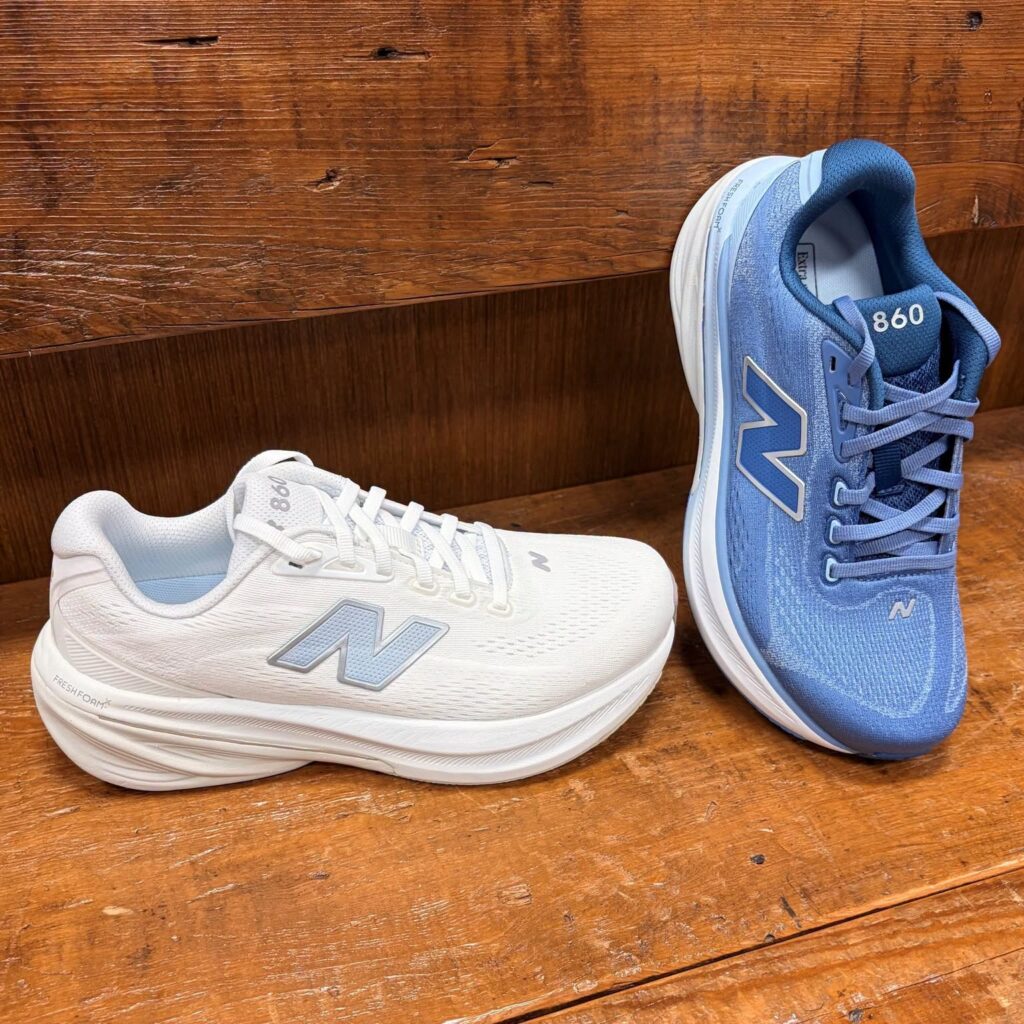
New Balance 860 — Stability for Overpronators
The 860 is a stability running shoe — meaning it’s specifically designed to address overpronation, the inward rolling of the foot that’s common in runners with flat feet or low arches. Where older stability shoes achieved this with a stiff medial post that could feel clunky and intrusive, the current 860 uses a stability plane embedded within the Fresh Foam X midsole — a more refined approach that provides support without sacrificing the soft, cushioned feel the shoe is also known for.
The result is a shoe that feels notably firmer and more structured than the 880 or 1080, but not harsh. The Ultra Heel design at the back of the shoe wraps the heel securely, reducing slippage and providing a locked-in fit that overpronators benefit from. It runs slightly wider than the 880, which is useful for runners who need extra room through the forefoot.
Best for: Runners who overpronate; flat feet; those who’ve been told they need a stability or support shoe
Price: Around $150
Find it at Brown’s!
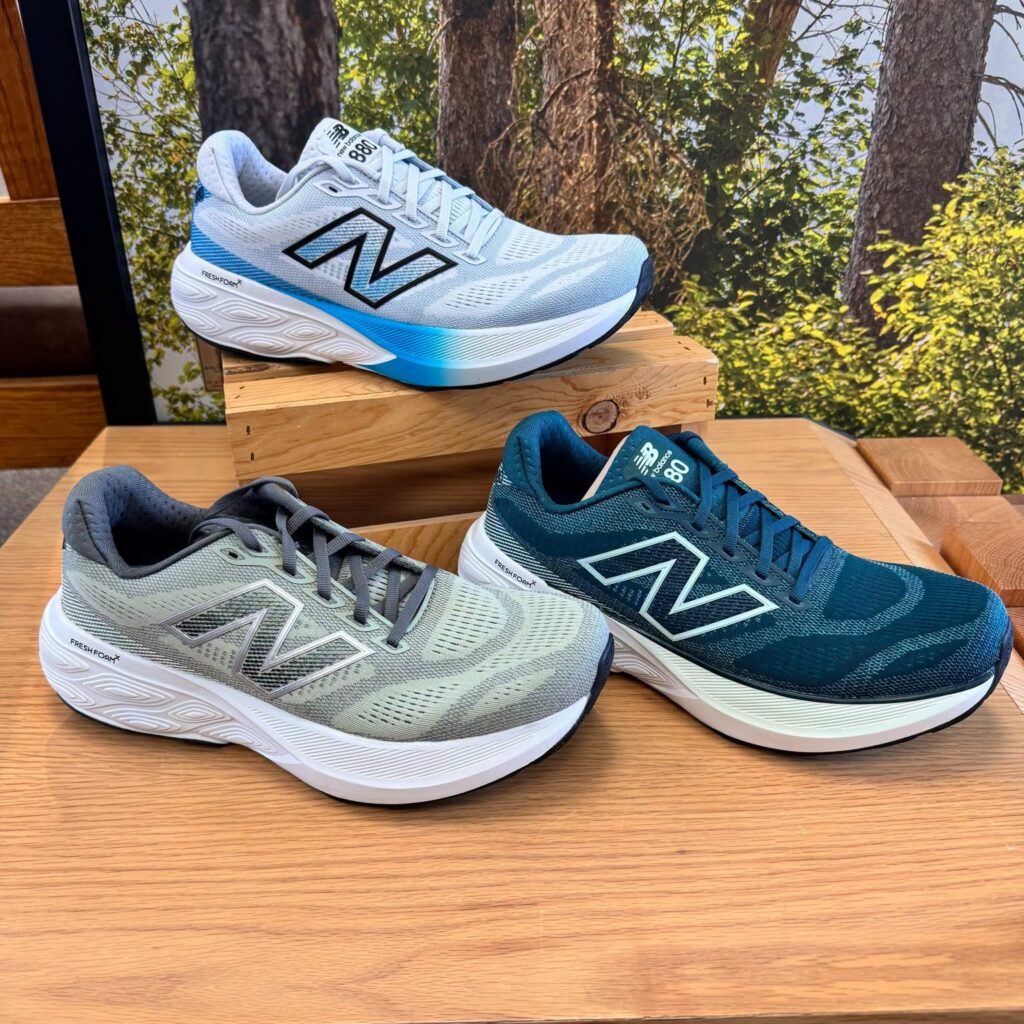
New Balance 880 — The Everyday Workhorse
If the 860 is the specialist, the 880 is the generalist — and it’s arguably New Balance’s most beloved running shoe for exactly that reason. It’s a neutral daily trainer, meaning it doesn’t include stability correction, making it the right choice for runners with a neutral gait who simply want a reliable, well-cushioned shoe that can handle whatever they throw at it.
The 880’s Fresh Foam X midsole delivers a balanced ride — soft enough to feel comfortable on long runs, firm enough to feel responsive when you pick up the pace. It’s lighter than the 860 and handles a wider range of paces and distances without feeling out of its depth. It’s available in narrow, standard, wide, and extra-wide sizing, which is unusually accommodating for a running shoe. If someone asks for a recommendation for a first running shoe or a dependable all-purpose trainer, the 880 is almost always on the short list.
Best for: Neutral runners; daily training across a range of distances; beginner runners; versatile everyday use
Price: Around $150
Find it at Brown’s!
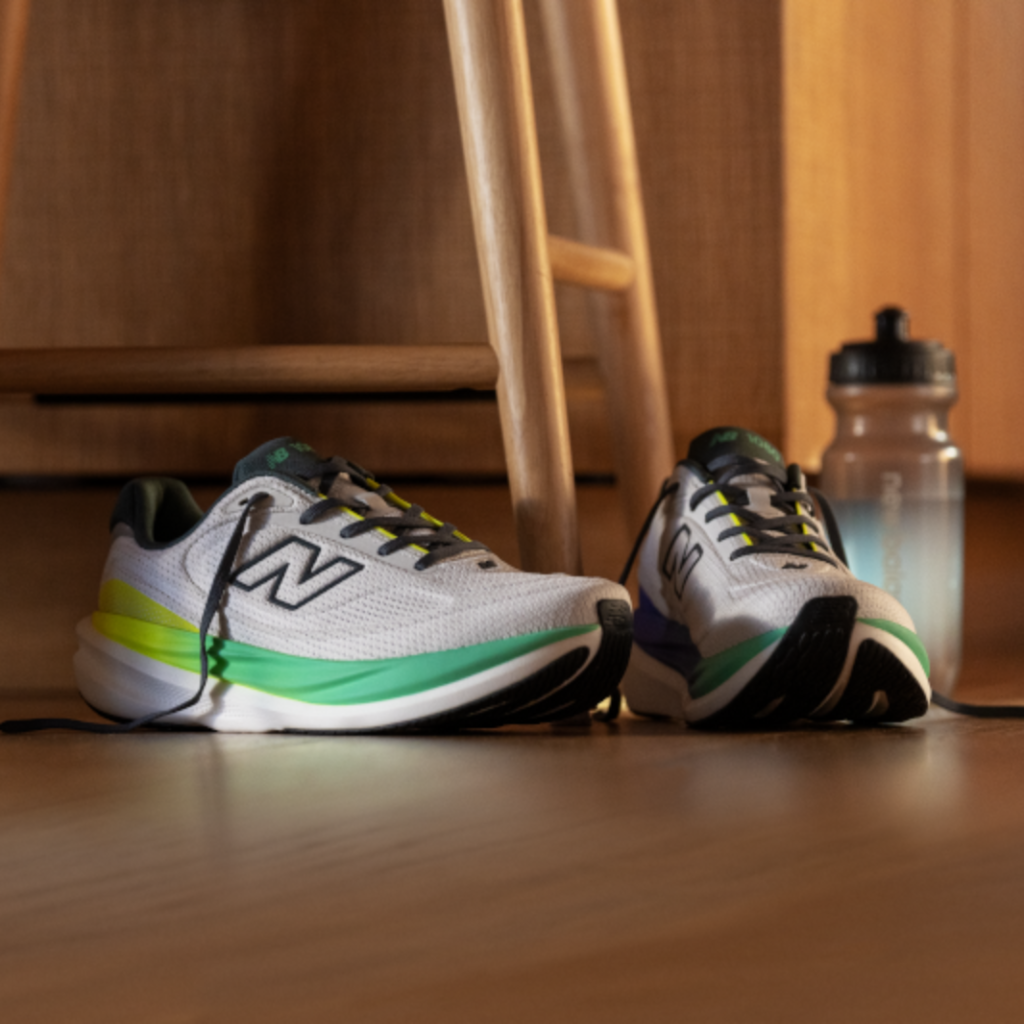
New Balance 1080 — Maximum Cushion for Long Miles
The 1080 is the luxury option in New Balance’s running lineup — and it earns that distinction. It sits at the top of the Fresh Foam X cushioning hierarchy, with a deeper stack and a softer, more enveloping feel underfoot than the 880. Where the 880 is balanced and responsive, the 1080 is plush and forgiving — the kind of shoe that long-distance runners, recovery-day runners, and anyone who logs significant mileage tend to reach for when their feet need maximum protection.
It’s slightly heavier than the 880 as a result of that cushioning, but the tradeoff is a noticeably softer ride that reduces the cumulative impact fatigue of high-mileage training. It’s also a neutral shoe, designed for runners with a neutral gait who want the most cushioning available without crossing into instability. The Hypoknit upper wraps the foot in a smooth, sock-like fit that keeps things comfortable and breathable over long efforts.
Best for: Long-distance runners; high-mileage training; recovery runs; neutral gait runners who want maximum cushioning
Price: Around $165–$170
Find it at Brown’s!
The simplest way to choose between the three running models: if you overpronate, start with the 860. If you have a neutral gait and want a versatile daily trainer, the 880. If you run long distances or want the softest possible ride, the 1080. If you’re not sure whether you overpronate, a fit specialist can help you figure it out — it makes a meaningful difference in the right choice.
Side-by-Side:
All Six Models at a Glance
| Model | Category | Best For | Key Technology | Approx. Price |
|---|---|---|---|---|
| 327 | Lifestyle Sneaker | Casual everyday wear; style-focused | Cushioned platform, lug outsole | $90–$110 |
| 574 | Lifestyle Sneaker | All-day casual wear; wider feet; classic style | ENCAP midsole | $80–$100 |
| 928 | Walking Shoe | Extended walking; foot conditions; orthotics; wide widths | ROLLBAR, ABZORB, Walking Strike Path | ~$160 |
| 860 | Stability Running Shoe | Overpronators; flat feet; support-focused runners | Fresh Foam X, stability plane, Ultra Heel | ~$150 |
| 880 | Neutral Daily Trainer | Neutral gait; versatile daily training; beginners | Fresh Foam X | ~$150 |
| 1080 | Max Cushion Trainer | Long distances; high mileage; recovery runs; neutral gait | Fresh Foam X (max stack), Hypoknit upper | ~$165–$170 |
Prices are approximate retail and may vary by colorway, width, and retailer. Contact your local Brown’s Shoe Fit Co. for current pricing and availability.
Can You Use a Running Shoe for Walking — or Vice Versa?
This question comes up constantly, and the honest answer is: sometimes, but with caveats.
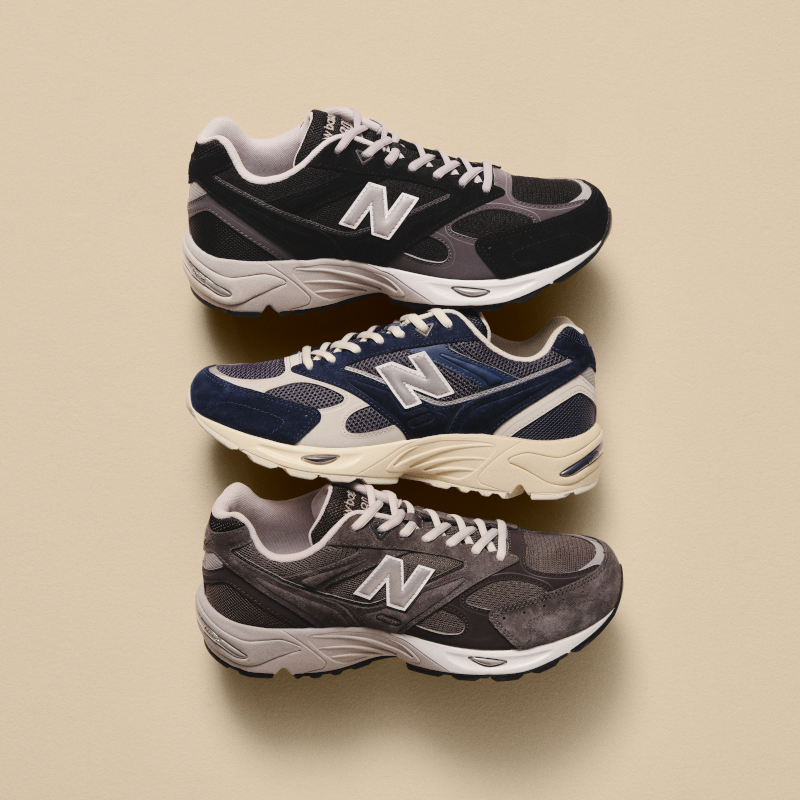
Running shoes can work well for walking, particularly the 880 and 1080 — their cushioning and fit make them comfortable for extended periods on your feet. But they’re typically overkill for casual walking and lack the specific sole geometry of a dedicated walking shoe. The 928, by contrast, is engineered specifically for walkers and delivers features running shoes don’t offer — the ROLLBAR, the Walking Strike Path geometry, the extreme width range.
Lifestyle sneakers like the 327 and 574 are designed for casual wear, not sustained athletic activity. Wearing them for running isn’t recommended — they lack the cushioning depth, energy return, and gait-specific support that running shoes provide. For a short walk around the neighborhood, they’re perfectly fine. For a 5K or a long day hiking a trail, you’ll want the right tool for the job.
Why Buy Yours From Brown’s Shoe Fit Co.?
With 73 locally owned and operated locations across the Midwest, Brown’s Shoe Fit Co. has been a trusted name in footwear since 1911. Known for our personalized service and commitment to quality, Brown’s Shoe Fit is the go-to destination for comfortable, quality footwear for all ages. Each of our stores offers a footwear selection unique to the needs of our communities, with a knowledgeable staff trained to give every customer the best fit possible. To learn more about us, visit brownsshoefitco.com or find a store near you!