How to Extend the Life of Your Shoes
Simple Habits That Keep Your Footwear Looking Better and Lasting Longer
A good pair of shoes is an investment — and like most investments, what you get out of it depends significantly on how well you take care of it. The difference between a shoe that lasts two years and one that lasts five often has less to do with quality and more to do with habits: how you wear them, how you store them, how you clean them, and whether you address small problems before they become big ones. None of it is complicated. Here’s what actually makes a difference.
Rotate Your Shoes
This is the single most impactful thing most people aren’t doing. Wearing the same pair of shoes every day doesn’t give the materials time to recover between wears — and they need it. The cushioning foam in a shoe midsole, for example, compresses with every step and needs 24 to 48 hours to fully decompress and return to its original shape. A shoe worn daily is never fully recovered before the next wear. A shoe rotated with even one other pair gets proper rest and lasts significantly longer as a result.
Rotation also reduces moisture accumulation. Feet sweat — sometimes considerably — and a shoe worn daily never fully dries out between wears. Moisture breaks down adhesives, degrades foam, and creates the conditions for odor and bacterial growth. Alternating pairs gives each one time to dry completely.
Two pairs rotated properly will outlast three pairs worn without rotation. The math favors the investment.
Use a Shoehorn
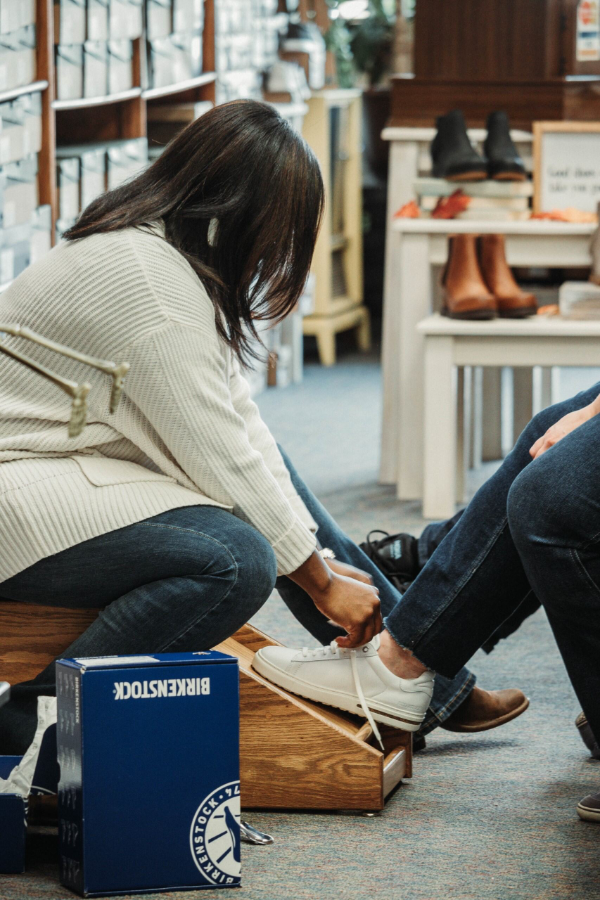
This one sounds old-fashioned, but it’s one of the easiest ways to extend the life of any shoe with a structured heel counter. Forcing your foot into a shoe without a shoehorn — especially if you’re not fully loosening the laces — crushes the heel counter with every wearing. Over time, the heel counter collapses, the shoe loses its shape at the back, and the fit becomes sloppy and unsupportive. A shoehorn takes five seconds and prevents that entirely.
Clean Them Regularly and Correctly
Dirt, salt, and grime don’t just make shoes look bad — they actively degrade the materials. Road salt is particularly corrosive to leather and fabric, and dried mud can crack and stiff surfaces over time. Regular cleaning removes these damaging residues before they can do lasting harm.
The key is cleaning correctly for the material. Mesh, leather, suede, and canvas each have different needs — the wrong cleaning method can cause more damage than the dirt itself. As a general rule:
- Wipe down shoes after each wear, especially after exposure to salt, mud, or rain
- Do a thorough material-appropriate clean every few weeks for shoes in regular rotation
- Never put shoes away dirty — especially before off-season storage, when stains and residue have months to set
For a full material-by-material cleaning guide, see our How to Clean Your Shoes the Right Way post.
Condition Leather Every Time You Clean It
Leather is a natural material that needs moisture to stay supple and crack-resistant. Cleaning removes surface dirt but also strips some of the natural oils that keep leather flexible. Conditioning after every clean replenishes those oils and prevents the gradual drying and cracking that shortens leather’s lifespan. A leather shoe that’s regularly cleaned and conditioned can last decades; one that’s cleaned without conditioning will crack and stiffen far sooner.
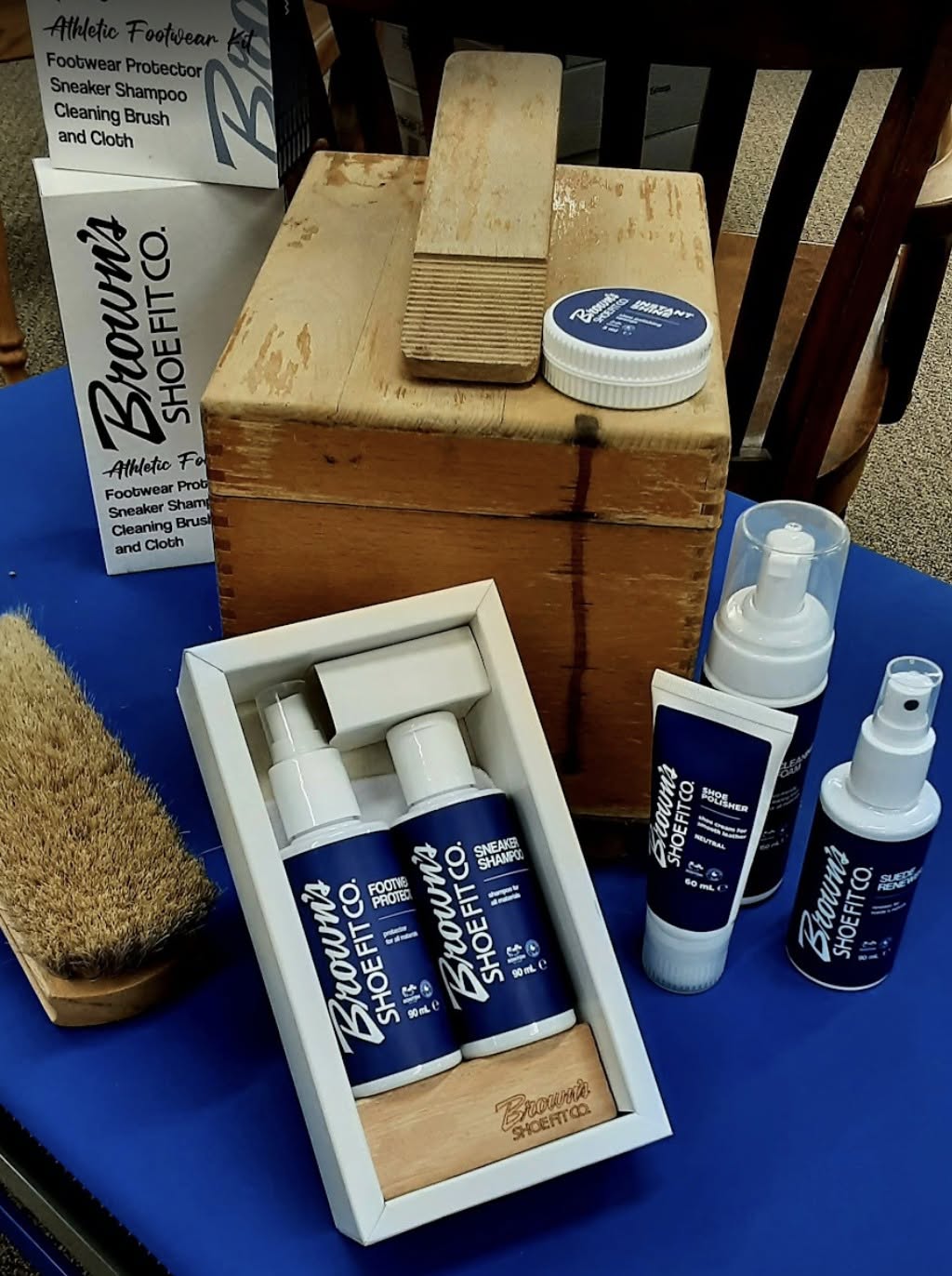
Use a conditioner appropriate for the finish of the leather — smooth leather, nubuck, and suede each have different products. Applying a thin, even coat and buffing to a finish takes five minutes and makes a meaningful difference over time.
Protect Before You Wear
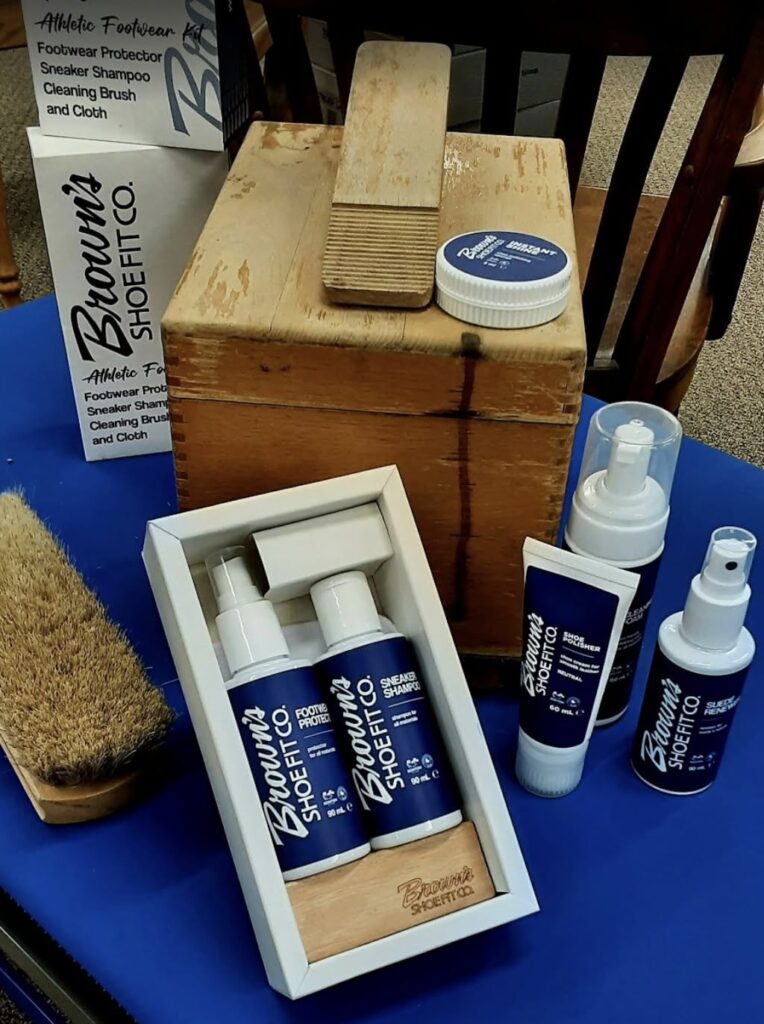
Most people treat shoes reactively — cleaning and conditioning after damage has started. A more effective approach is protective treatment before first wear. A water and stain repellent applied to new shoes creates a barrier that makes everything easier from the start:
- Water beads off rather than soaking in
- Stains sit on the surface rather than penetrating the material
- Suede and nubuck — the most vulnerable materials — are dramatically easier to maintain with a protector applied upfront
Reapply the treatment periodically — typically every few months for shoes in regular rotation, and at the start of each wet season.
Store Them Properly
How shoes are stored between wears matters almost as much as how they’re worn. A few habits make a significant difference:
- Use shoe trees in leather and dress shoes to maintain shape and absorb moisture. Cedar shoe trees are particularly effective — cedar naturally absorbs moisture and controls odor.
- Store boots upright with boot shapers or rolled magazines inside the shaft to prevent creasing and collapse.
- Keep shoes out of direct sunlight during storage — UV exposure fades color and dries out leather over time.
- Avoid damp or humid storage areas — basements and garages with humidity fluctuations accelerate mold, mildew, and material breakdown.
- Let shoes breathe — open shelving or ventilated storage is better than sealed plastic bins for most materials.
Replace Laces Before They Fail
Laces are the most replaceable part of a shoe, and most people wait until they break to replace them. A fraying lace doesn’t just look worn — it’s a structural weak point that can snap at an inconvenient moment. Keeping a spare set of laces for shoes you wear regularly costs almost nothing and prevents the frustration of a broken lace on a busy morning.
New laces also refresh the appearance of a shoe significantly. A clean pair of laces on an otherwise worn shoe makes it look considerably better — and on a shoe in good condition, new laces can make it look nearly new.
Address Wear Before It Becomes Damage
Small problems become big ones quickly in footwear. A few things worth catching early:
- Worn heel caps on dress shoes — once the cap wears through to the heel stack, damage accelerates rapidly. A cobbler can replace a heel cap for a few dollars; replacing the heel stack costs significantly more.
- Separating soles — a small area of sole separation that’s caught early can be reglued; a sole that’s fully separated and been walked on is often beyond repair.
- Worn outsole tread — once tread wears flat, the shoe loses traction and the midsole begins to take direct impact. Resoling is an option for quality shoes worth preserving.
- Broken eyelets or hardware — these are inexpensive cobbler fixes when addressed early.
A good cobbler is one of the most underused resources in footwear care. Quality shoes can be resoled, reheeled, stretched, and repaired in ways that extend their life by years. The question is whether the shoe is worth the investment — and for a well-made pair, it usually is.
Know When to Retire Them
Extending the life of a shoe doesn’t mean wearing it indefinitely. There’s a point where continued wear does more harm than good — to the shoe and to your feet. Signs a shoe has reached the end of its useful life:
- Midsole cushioning is visibly compressed and no longer springs back
- The upper has significant structural breakdown — not just surface wear, but loss of shape and support
- The outsole is worn through in high-impact areas
- The shoe no longer provides the support and fit it once did, and repair isn’t a practical option
For athletic shoes in particular, the midsole degrades well before the upper shows obvious wear. A running shoe that looks fine may have lost most of its cushioning after 300 to 500 miles — the outside tells you less than the feel underfoot does.
A Quick Reference:
Shoe Care Habits by Impact
| Habit | Effort | Impact on Longevity |
|---|---|---|
| Rotating pairs | Low | Very high |
| Using a shoehorn | Very low | High (especially for structured heel counters) |
| Regular cleaning | Low–Medium | High |
| Conditioning leather | Low | Very high for leather shoes |
| Protective treatment | Very low | High for suede, leather, fabric |
| Proper storage | Low | Medium–High |
| Early repair / cobbler | Low (cost and effort) | Very high for quality shoes |
Why Buy Yours From Brown’s Shoe Fit Co.?
With 73 locally owned and operated locations across the Midwest, Brown’s Shoe Fit Co. has been a trusted name in footwear since 1911. Known for our personalized service and commitment to quality, Brown’s Shoe Fit is the go-to destination for comfortable, quality footwear for all ages. Each of our stores offers a footwear selection unique to the needs of our communities, with a knowledgeable staff trained to give every customer the best fit possible. To learn more about us, visit brownsshoefitco.com or find a store near you!