How to Clean Your Shoes the Right Way
A Material-by-Material Guide to Keeping Your Footwear Looking Its Best
You invested in a good pair of shoes. Maybe you had them fitted properly, found the right width, broke them in just right. And then — mud, grass, a rainy parking lot, or just the slow accumulation of everyday wear turned them into something you’re no longer proud to put on. The good news: most shoes can be brought back to life with the right cleaning approach. The key word is right. The wrong method on the wrong material can do more damage than the dirt ever did.
Here’s how to clean your shoes properly, broken down by material.
Before You Start:
A Few Universal Rules
Regardless of material, a few principles apply across the board:
- Remove the laces first. Clean them separately by hand or toss them in a mesh laundry bag. Leaving them in traps dirt underneath and makes it harder to clean the tongue and eyelets.
- Knock off loose dirt before applying any liquid. Dry brushing first prevents you from grinding debris deeper into the material when you start scrubbing.
- Use cold or lukewarm water, not hot. Heat can warp soles, break down adhesives, and damage certain uppers.
- Air dry only. Never put shoes in the dryer or leave them in direct sunlight to dry. Both can shrink, warp, or crack the material.
- Stuff shoes with paper towels or a shoe tree while drying to help them hold their shape.
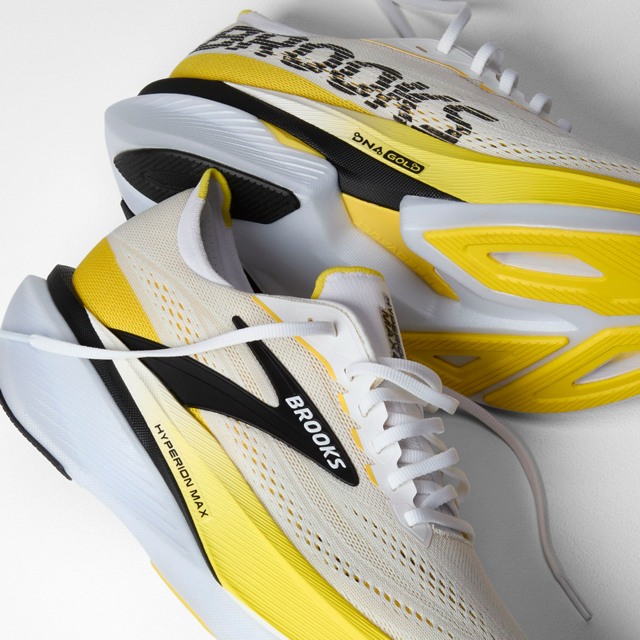
Mesh and Knit
(Athletic and Running Shoes)
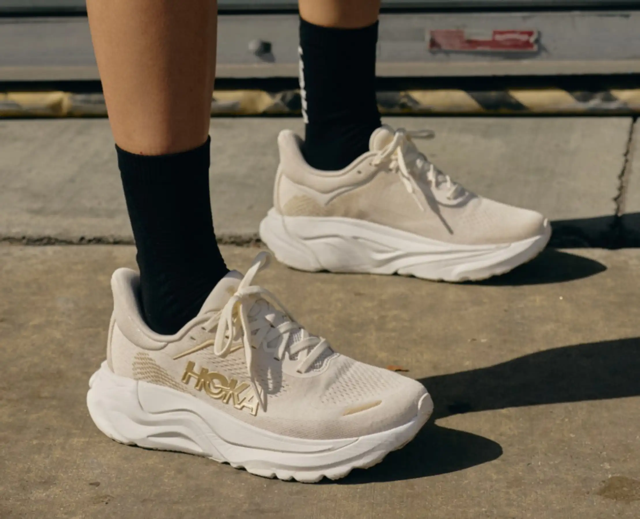
Mesh is breathable and lightweight, which is why it’s common in athletic footwear — but it’s also a magnet for dirt and odor. The good news is it cleans up relatively easily.
What you’ll need:
- Soft-bristled brush or old toothbrush
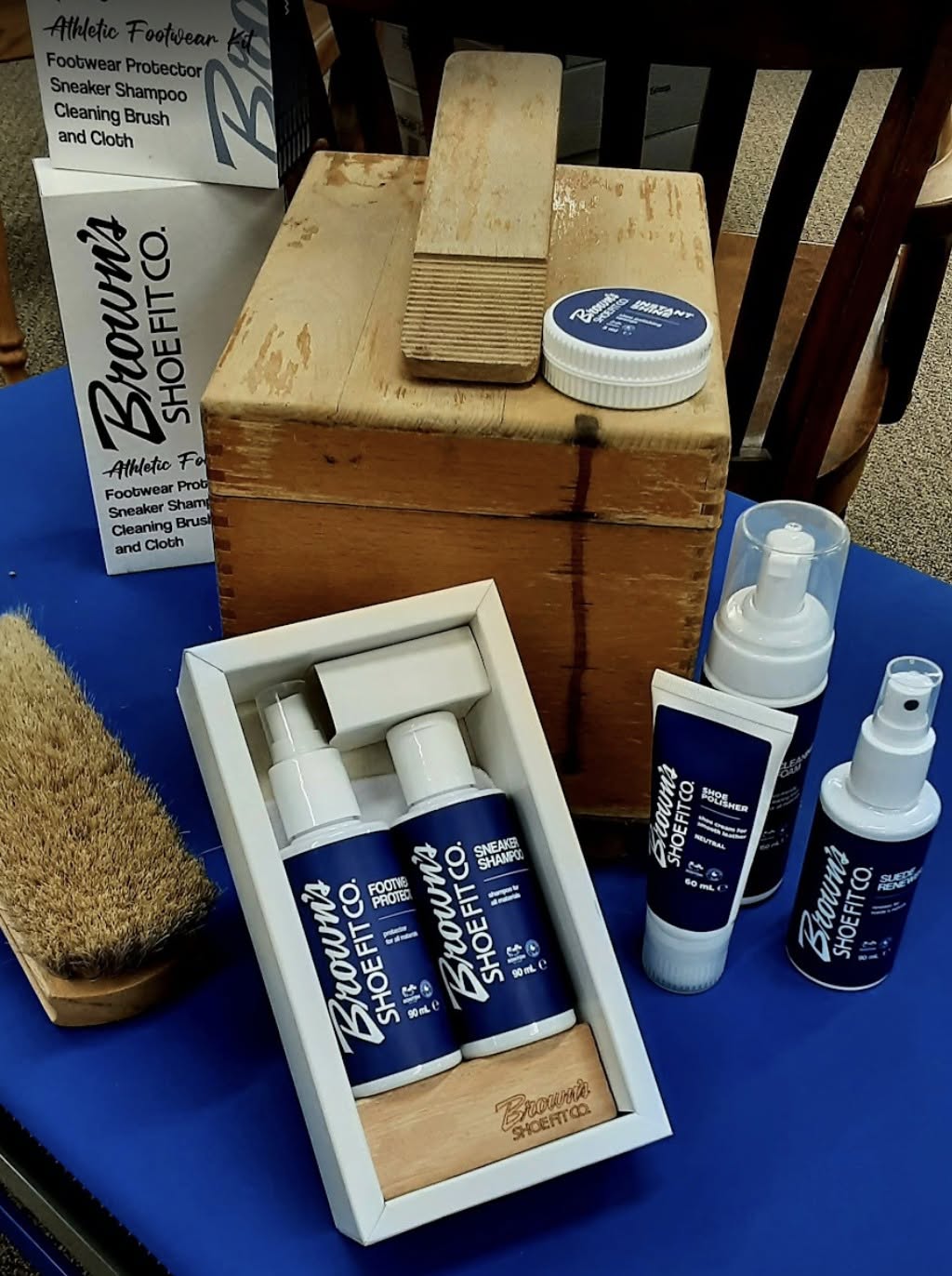
- Mild dish soap or a dedicated shoe cleaner
- Cold water
- Clean cloth or microfiber towel
How to do it:
- Dry brush the upper to remove loose dirt.
- Mix a small amount of mild soap with cold water.
- Dip the brush into the solution and scrub the upper in gentle circular motions.
- Wipe away soap and loosened dirt with a damp cloth.
- Repeat as needed, then blot dry and air dry completely.
What to avoid: Harsh chemicals, bleach, and abrasive scrubbers. These can break down the fibers and cause discoloration. And while some mesh shoes can survive a gentle machine wash on cold, check the manufacturer’s guidance first — it’s not universally safe.
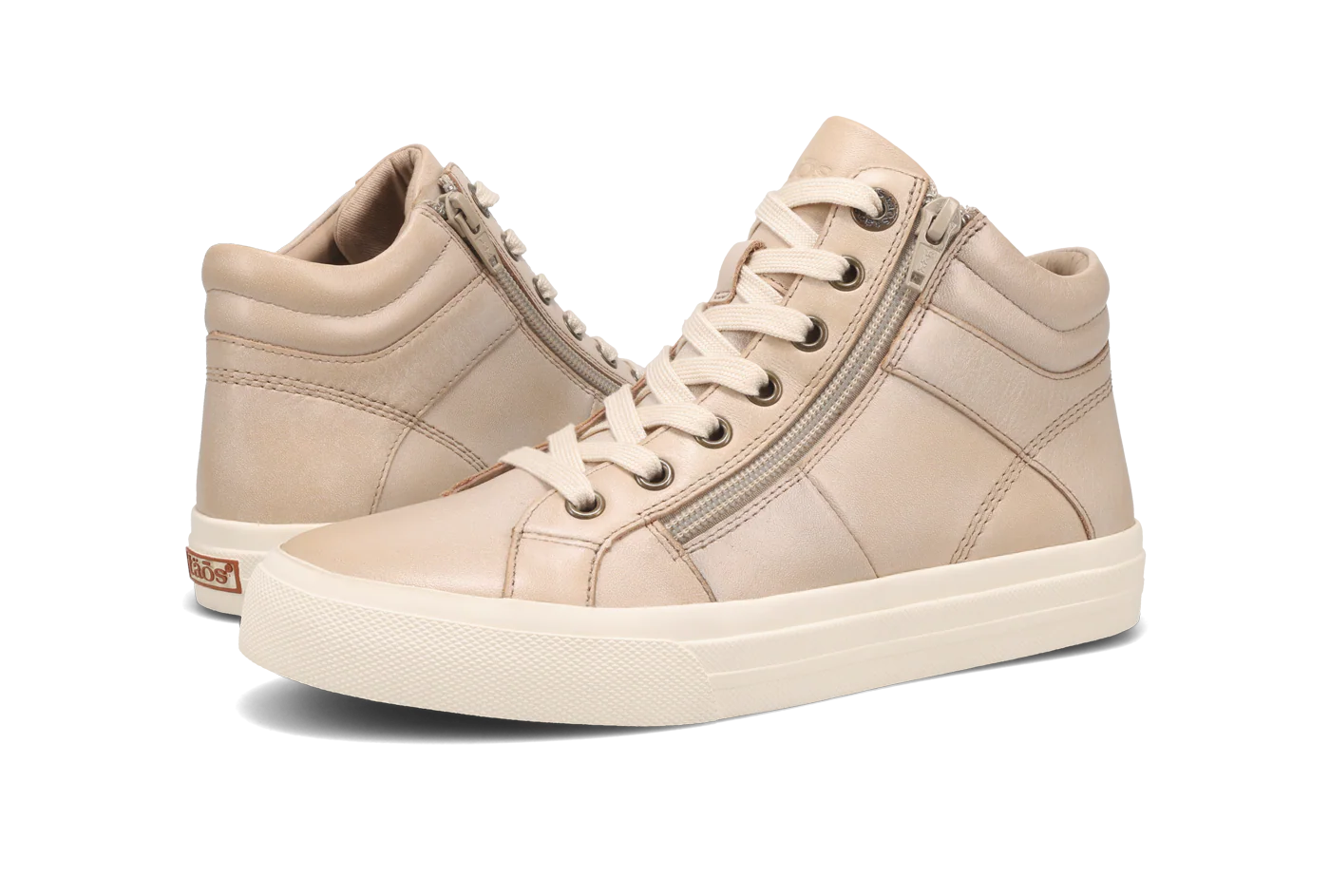
Leather
Leather is durable, but it requires a little more care than synthetic materials. The goal is to clean without stripping the natural oils that keep leather supple and prevent cracking.
What you’ll need:
- Soft brush or dry cloth
- Leather cleaner or a small amount of mild soap
- Leather conditioner
- Clean cloths
How to do it:
- Wipe off surface dirt with a dry cloth or soft brush.
- Apply a small amount of leather cleaner to a cloth and work it into the upper in circular motions.
- Wipe clean with a damp cloth, then dry with a clean towel.
- Once fully dry, apply a leather conditioner to restore moisture and prevent cracking.
- Buff with a clean cloth for a polished finish.
What to avoid: Soaking leather in water, using saddle soap too frequently (it can dry leather out over time), and skipping the conditioning step. A leather shoe cleaned without conditioning is being slowly dried out every time.
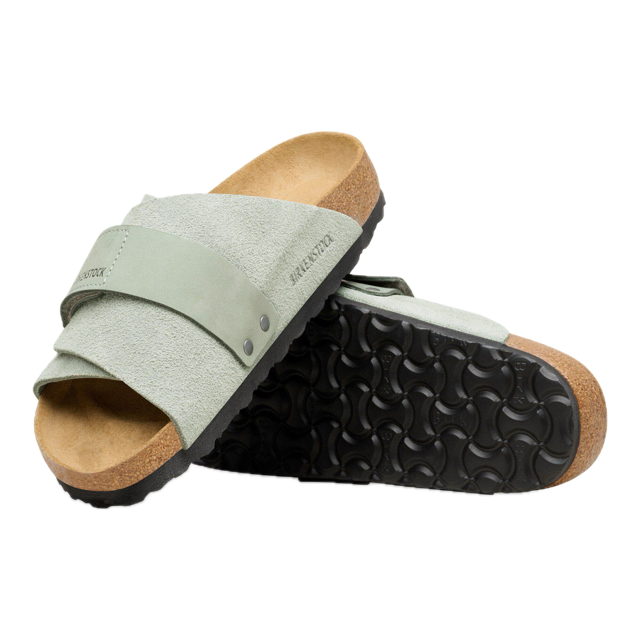
Suede and Nubuck
Suede and nubuck are the high-maintenance members of the footwear family — beautiful, but unforgiving. Water stains them easily, and standard cleaning methods can ruin the texture permanently. Handle with care.
What you’ll need:
- Suede brush (a must — regular brushes will damage the nap)
- Suede eraser for scuffs and dry stains
- Suede protector spray (for prevention)
How to do it:
- Let any mud or wet dirt dry completely before touching it. Trying to clean wet dirt off suede makes it worse.
- Once dry, use the suede brush to gently brush away dirt, always moving in one direction to preserve the nap.
- For scuffs or stubborn spots, use a suede eraser in light back-and-forth strokes.
- Finish by brushing the entire surface to restore a uniform texture.
What to avoid: Water, liquid cleaners, and regular shoe polish. All three can permanently alter the texture or leave dark stains. If your suede shoes get soaked, blot (don’t rub) with a clean cloth and let them dry naturally away from heat — then brush when fully dry.
Pro tip: Apply a suede protector spray before you ever wear a new pair of suede shoes. Prevention is far easier than repair.
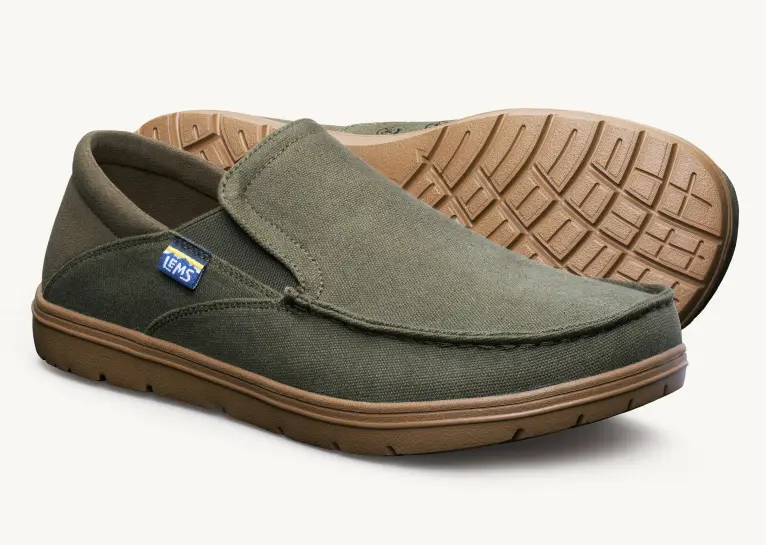
Canvas
Canvas shoes — think casual sneakers and slip-ons — are among the easiest to clean. The material is forgiving and tolerates more moisture than leather or suede.
What you’ll need:
- Soft brush or old toothbrush
- Mild laundry detergent or dish soap
- Cold water
- Clean cloth
How to do it:
- Remove laces and brush off loose dirt.
- Mix a small amount of detergent with cold water.
- Scrub the upper with the brush and solution, paying extra attention to stained areas.
- Rinse with a clean damp cloth and repeat if needed.
- Air dry, stuffed with paper towels to hold shape.
Machine washing: Many canvas shoes can handle a gentle machine cycle in a mesh laundry bag with cold water. Remove insoles first if they’re removable, and skip the dryer.
Rubber and Synthetic Soles
The soles often get ignored during cleaning, but they’re what touches the ground — and they show it. A clean upper with a filthy sole still looks neglected.
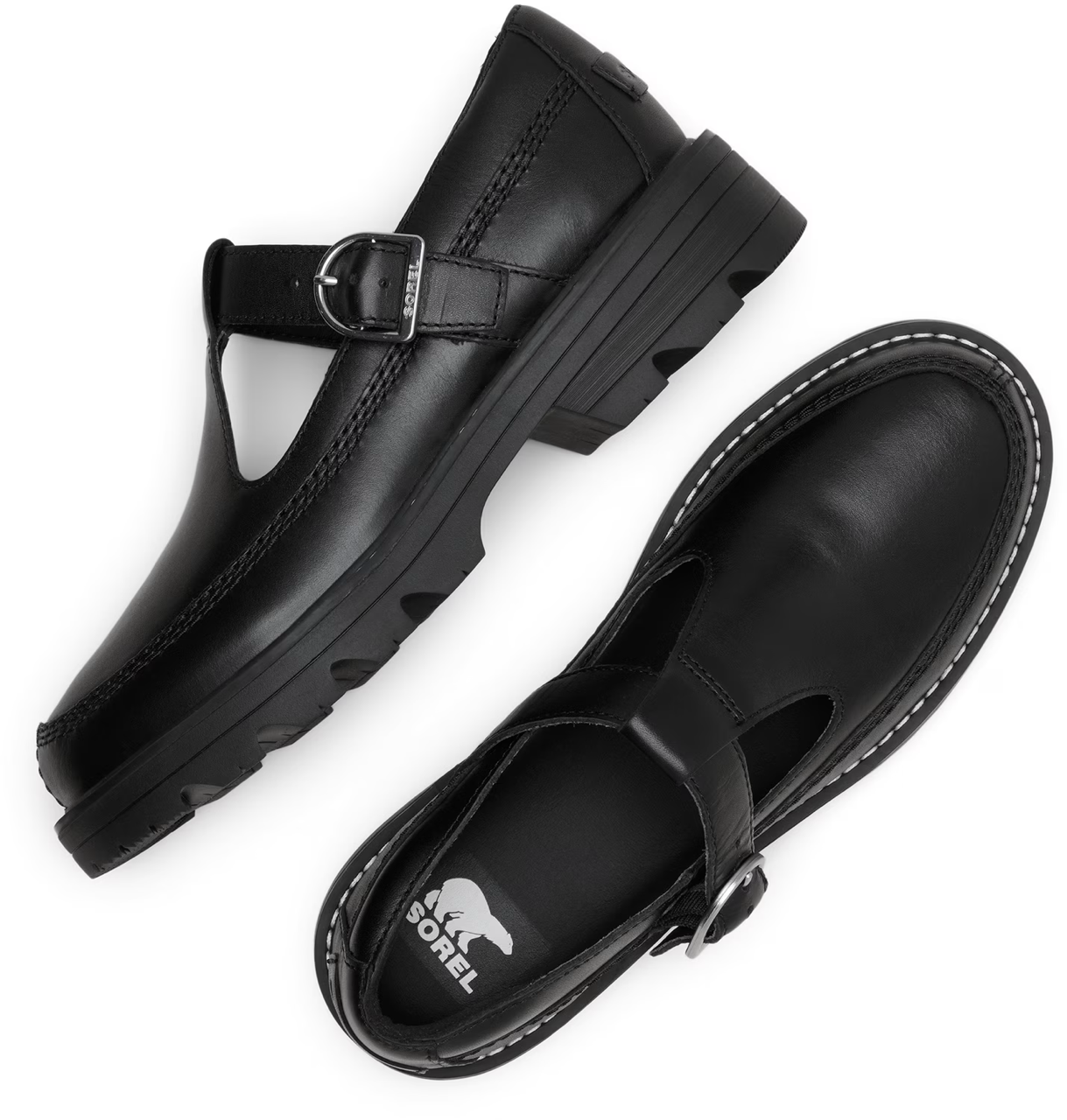
What you’ll need:
- Stiff-bristled brush
- Mild soap and water, or a Magic Eraser for white soles
How to do it:
- Use a stiff brush with soapy water to scrub the outsole, getting into the grooves and tread.
- For white rubber midsoles, a melamine foam eraser (Magic Eraser) works remarkably well on scuffs and yellowing.
- Wipe clean and let dry.
Don’t Forget the Insoles
Insoles absorb sweat and odor over time, and no amount of cleaning the outside will help if the inside smells. Remove insoles whenever possible and clean them separately.
- For most insoles: hand wash with mild soap and cold water, rinse thoroughly, and air dry completely before replacing.
- For odor control between cleanings: sprinkle a small amount of baking soda inside the shoe overnight and tap it out in the morning.
- If insoles are worn down, flattened, or no longer providing support, it’s worth replacing them — either with the manufacturer’s replacement or a quality aftermarket insole.
A Quick Reference Guide
| Material | Best Method | Avoid |
|---|---|---|
| Mesh / Knit | Soft brush + mild soap + cold water | Bleach, harsh chemicals, hot water |
| Leather | Leather cleaner + conditioner | Soaking in water, skipping conditioning |
| Suede / Nubuck | Suede brush + suede eraser | Water, liquid cleaners, regular polish |
| Canvas | Brush + mild detergent + cold water | Hot water, machine dryer |
| Rubber Soles | Stiff brush + soapy water; Magic Eraser for white | Abrasive pads on colored soles |
Why Buy Yours From Brown’s Shoe Fit Co.?
With 73 locally owned and operated locations across the Midwest, Brown’s Shoe Fit Co. has been a trusted name in footwear since 1911. Known for our personalized service and commitment to quality, Brown’s Shoe Fit is the go-to destination for comfortable, quality footwear for all ages. Each of our stores offers a footwear selection unique to the needs of our communities, with a knowledgeable staff trained to give every customer the best fit possible. To learn more about us, visit brownsshoefitco.com or find a store near you!