
Orthotics 101: What They Are, When You Need Them, and How to Get Fitted
Everything You Wanted to Know About Insoles and Orthotics — But Didn’t Know to Ask
The word “orthotics” tends to conjure a very specific image: something a podiatrist prescribes, bulky and clinical, slipped into the kind of shoes that prioritize function so completely they’ve given up on form. That image is outdated, and it’s kept a lot of people from a solution that could meaningfully change how their feet feel every day. Modern orthotics range from slim, targeted insoles you’d never notice to custom-crafted devices built specifically for your foot — and understanding the difference is the first step to knowing whether they’re right for you.
What Orthotics Actually Are
At their most basic, orthotics are inserts that go inside your shoe to support, align, or cushion your foot. They work by redistributing pressure, correcting how your foot contacts the ground, and providing structural support that your shoe — or your foot itself — isn’t providing on its own.
They come in three broad categories:
Over-the-Counter Insoles
These are the insoles you can pick up at a shoe store or pharmacy without a prescription. They come in a range of styles — arch support, cushioning, heel cups, full-length insoles — and are designed for general foot types rather than individual needs. They’re a great starting point for mild discomfort, fatigue, or basic arch support, and for many people, they’re all that’s needed.
Prefabricated Orthotics
A step up from standard over-the-counter insoles, prefabricated orthotics are more structured and targeted. They’re built to address specific conditions — overpronation, plantar fasciitis, heel pain — and are available in different arch heights and firmness levels. A knowledgeable fit specialist can help match you to the right prefabricated orthotic based on your foot type and the issue you’re experiencing.
Custom Orthotics
Custom orthotics are prescribed by a podiatrist or orthopedic specialist and fabricated specifically for your foot from a mold or 3D scan. They’re the most precise solution available and are typically recommended for significant biomechanical issues, chronic pain, or conditions that haven’t responded to over-the-counter options. They’re also the most expensive — often not fully covered by insurance — which is why most people start with prefabricated options first.
What Orthotics Are Not
A few common misconceptions worth clearing up:
- Orthotics aren’t only for injured feet. Plenty of people use them proactively for comfort, especially those who spend long hours standing or walking on hard surfaces.
- They’re not a sign that something is wrong with you. Feet vary enormously in structure. A high arch, a flat foot, or a tendency toward overpronation is just anatomy — and orthotics address anatomy, not failure.
- They don’t weaken your feet over time. This is a persistent myth. Wearing supportive orthotics doesn’t make your foot muscles lazy any more than wearing glasses makes your eyes lazier. What they do is reduce strain on structures that are working harder than they should.
- They aren’t only for older people. Runners, nurses, teachers, warehouse workers, and anyone else on their feet for extended periods can benefit at any age.
Signs You Might Benefit From Orthotics
Not every aching foot needs an orthotic, but there are some patterns worth paying attention to:
Symptom or Situation |
What It Might Indicate |
|---|---|
Heel pain, especially in the morning |
Plantar fasciitis — one of the most common orthotic use cases |
Foot fatigue after short periods of standing or walking |
Poor arch support or flat feet |
Knee, hip, or lower back pain with no obvious cause |
Overpronation or supination affecting alignment up the kinetic chain |
Uneven wear on shoe soles |
Gait imbalance that orthotics may help correct |
Pain across the ball of the foot |
Metatarsalgia — a metatarsal pad or cushioned orthotic often helps |
Diabetes or neuropathy |
Pressure redistribution to protect sensitive areas |
Long hours on hard floors (healthcare, retail, manufacturing) |
General fatigue and strain that supportive insoles can reduce significantly |
If any of these sound familiar and your discomfort is persistent, it’s worth talking to both a podiatrist and a qualified fit specialist. They’re looking at different parts of the picture and both perspectives are useful.
The Right Orthotic in the Wrong Shoe Does Nothing
This is the part of the conversation that often gets left out, and it matters enormously. An orthotic needs room to work. If your shoe is too narrow, too shallow in the toe box, or doesn’t have a removable insole, adding an orthotic may make the fit worse rather than better.
When fitting orthotics, the process has to account for the shoe and the insert together:
- The shoe should have a removable factory insole — most do, but not all. That insole comes out to make room for the orthotic.
- The depth of the shoe matters. A shoe that fits perfectly with its original insole may feel too tight with a structured orthotic added. This is one reason people who rely on orthotics often need to size up or choose shoes designed with extra depth.
- Not every shoe is compatible with every orthotic. A slim dress shoe and a thick supportive insole are not going to coexist well. Matching the orthotic to the shoe category is part of getting the fit right.
“We see it all the time — someone comes in with a great orthotic that their podiatrist prescribed, but it’s sitting in a shoe that has no room for it. Half the benefit disappears. Getting the shoe and the insert fitted together is the only way to make sure both are doing their job.”
— Brown’s Shoe Fit Co.
How to Get Fitted for Insoles at Brown’s
If you’re starting from scratch — no existing prescription, just some foot discomfort you’re looking to address — a Brown’s fit specialist is a good first stop. Here’s what to expect:
- Bring your current shoes. Wear patterns on the sole tell a knowledgeable fitter a lot about how your foot strikes the ground and where pressure is concentrated.
- Expect a full fit assessment. This includes measuring both feet, assessing arch height, and discussing where and when you experience discomfort.
- Try options in the shoes you’ll actually wear them in. Don’t evaluate an insole standing in your socks — it needs to be tested in context.
- If your needs are beyond what over-the-counter options can address, we’ll tell you, and we’ll recommend you see a podiatrist for a custom evaluation. There’s no benefit in overselling a solution that isn’t the right one.
A Few Good Over-the-Counter Starting Points
If you’re not sure where to begin, a few categories of over-the-counter insoles address the most common needs:
- Arch support insoles — for flat feet or mild overpronation; come in low, medium, and high arch variants
- Heel cups — targeted cushioning for heel pain and plantar fasciitis; can be used alone or combined with a full insole
- Metatarsal pads — small pads that sit just behind the ball of the foot to redistribute pressure forward of the metatarsals
- Full-length cushioned insoles — general fatigue and comfort for people on hard surfaces all day
- Diabetic insoles — designed for pressure redistribution and shock absorption to protect sensitive feet
A Brown’s fit specialist can point you toward the right starting point based on your specific situation — and make sure whatever you choose actually fits the shoes you plan to wear them in.
Brands You’ll Find at Brown’s
Once you know what kind of support you’re looking for, the next question is which brand gets you there. We carry a range of trusted insole and orthotic brands both online and in our stores, so you can find the right fit whether you’re shopping from home or coming in for a hands-on fitting.
Online at brownsshoefitco.com
- Aetrex — one of the most trusted names in orthotic insoles, offering a wide range of arch heights and support levels for everyday comfort, sport, and specific foot conditions.
- Powerstep — known for their signature stability cradle design, Powerstep is a great option for correcting overpronation and supporting proper alignment.
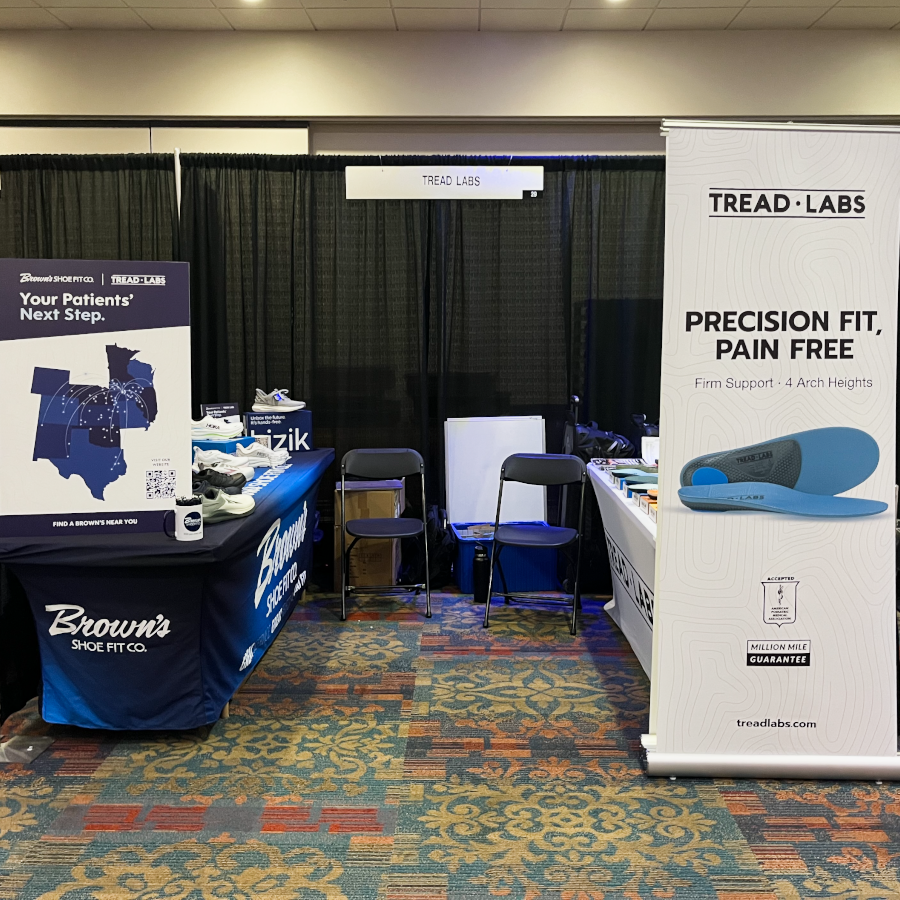
- Tread Labs — modular insoles with interchangeable arch inserts, letting you dial in the exact support level for your foot.
Even More Options In Store
In addition to Aetrex, Powerstep, and Tread Labs, many of our physical locations carry an even broader selection of insole and orthotic brands, giving you more options to compare when you visit. Stop by your local Brown’s Shoe Fit to explore your options.
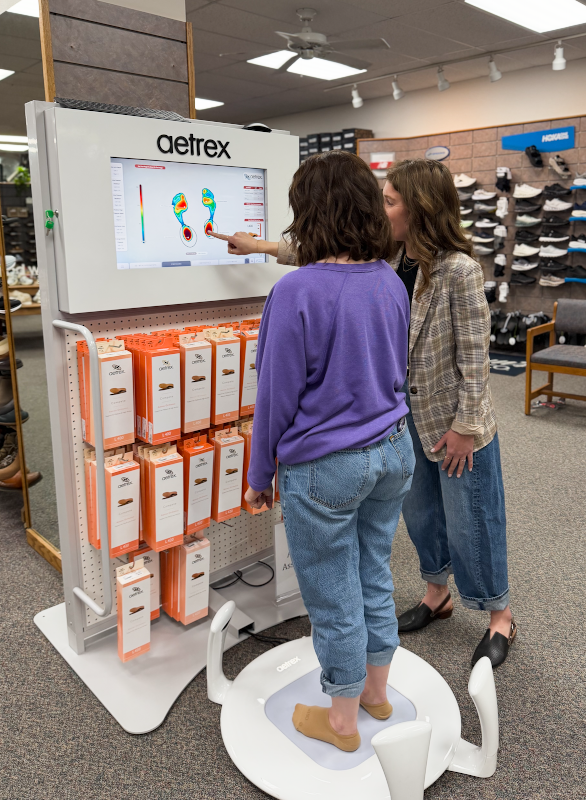
Since fit and feel matter so much with insoles, our in-store team can walk you through all of these options side by side — something that’s hard to replicate shopping online alone. Many of our stores also offer foot scans to ensure you get the proper fit and function from your insoles. Stop in and let us find the right fit for you.
Please note: We’re footwear fit specialists, not doctors, and the information in this guide isn’t a substitute for medical advice. If you’re dealing with ongoing foot pain or a specific condition, the staff at any of our 73 locations are happy to recommend options and work with local foot health specialists to find the right solution for your needs.
Why Buy Yours From Brown’s Shoe Fit Co.?
With 73 locally owned and operated locations across the Midwest, Brown’s Shoe Fit Co. has been a trusted name in footwear since 1911. Known for our personalized service and commitment to quality, Brown’s Shoe Fit is the go-to destination for comfortable, quality footwear for all ages. Each of our stores offers a footwear selection unique to the needs of our communities, with a knowledgeable staff trained to give every customer the best fit possible. To learn more about us, visit brownsshoefitco.com or find a store near you!